

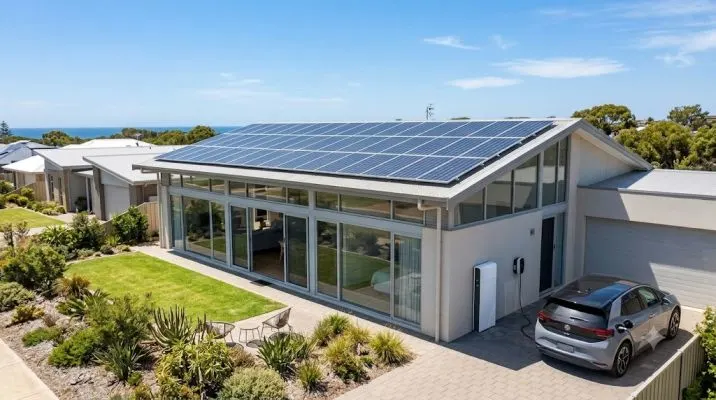
Properties Equipped with Integrated Solar And Battery Storage Solutions
I remember talking to a friend who bought a new build recently. He was showing me his energy bills. They were almost nothing. His house had solar panels and a big battery in the garage.
The system managed everything automatically. He said it was like the house looked after itself. That is the promise of a home with pre-installed solar and battery storage.
These properties with pre-installed solar and battery storage are becoming more common. They offer a unique blend of energy independence and modern convenience. Here is a practical look at what is available, what it costs, and what you need to know before you buy.
What Does a Property with Solar and Battery Look Like in 2026?
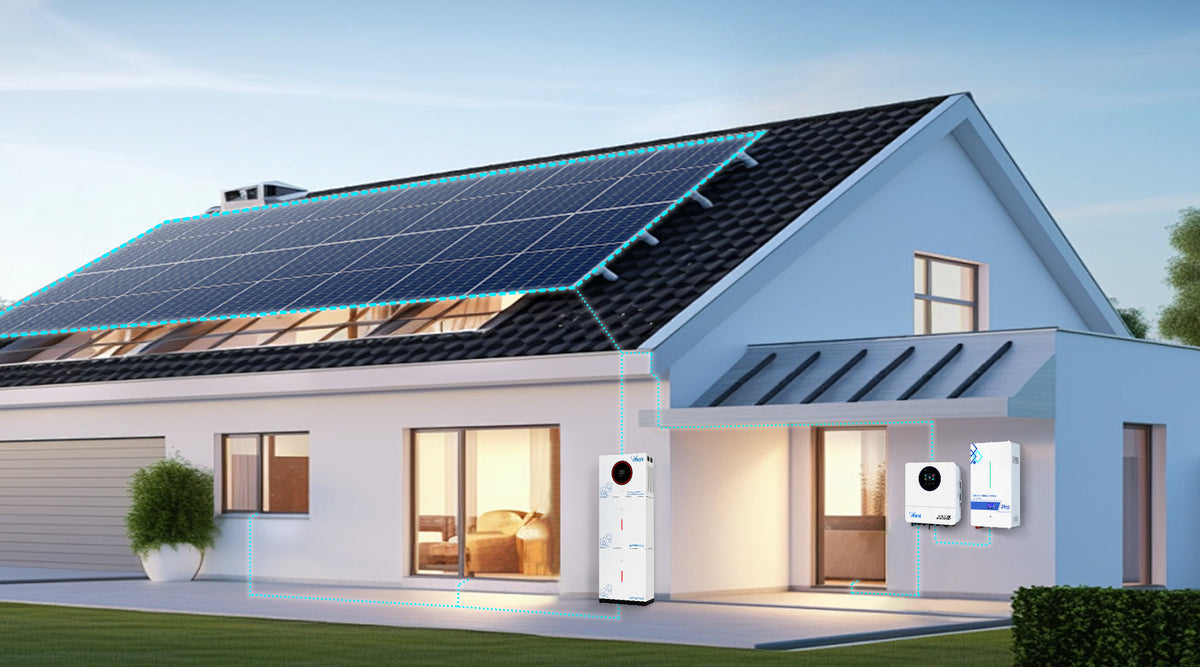
In the UK, new builds are leading the way. A modern eco-home in Gosport, Hampshire, listed for £400,000, comes with solar panels, battery storage, and a smart inverter . The system can be controlled remotely via a mobile phone. It even uses infrared heating panels instead of traditional radiators.
Read Also: How Much Does a Smart Solar Roof Add to Home Value in 2026?
A bungalow in Ilton, Somerset, built in 2025, is another great example. It has a 5.12 kWh solar PV system and home battery storage . The owners fitted it to an EPC A-rated home with an air source heat pump. The property is listed for £350,000. The running costs are exceptionally low.
The market is even expanding internationally. In Hawaii, you can buy a completely off-grid 16-by-32-foot retreat for $199,000. It is a simple, one-bedroom cabin with four 400-watt solar panels, two lithium iron phosphate batteries, and a 4,000-watt power inverter . This setup powers everything, including a washer, a tankless water heater, and Starlink internet.
The technology itself is getting smarter. Several new products are designed to be modular and easy to install. SolarEdge launched a system where you can clip extra battery modules together without any wiring .
Sigenergy introduced an AI-driven system that plugs into existing solar panels . It can even provide backup power without a flicker, which is crucial for keeping computers running during outages.
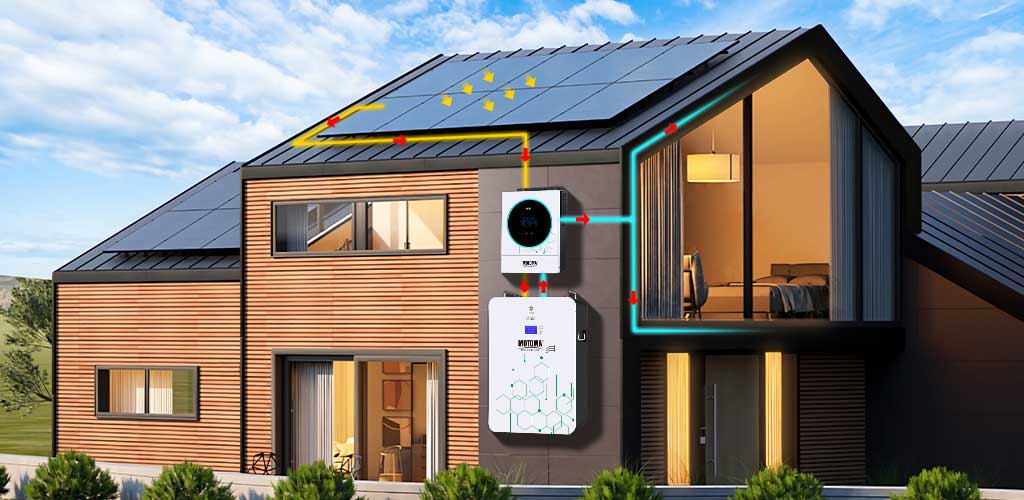
Hoymiles launched a system with a built-in AI that adjusts how you use power every three hours based on weather and electricity prices .
The Question of Cost: Is It Worth the Investment?
The final price of a property with pre-installed solar is not just about the house. The solar and battery add significant value. But how much does the storage part cost?
You Must Also Like: Exploring Green Valley, AZ Real Estate: A Complete Guide for Homebuyers
The technology is getting cheaper. The 2026 trend is that battery costs are dropping. A standard 13.5 kWh battery setup, like a Tesla Powerwall, costs about $12,000 to $16,000 installed .
However, there is a catch. The 30% federal tax credit available in previous years ended in 2025 . This means you can no longer get that specific discount in the US.
Prices vary depending on the brand:
| Battery Brand | 10 kWh Installed Cost (USD) |
|---|---|
| BYD Battery-Box | $8,000 - $11,000 |
| Tesla Powerwall 3 | $12,000 - $16,000 |
| sonnenCore+ | $14,000 - $18,000 |
The bright side is that prices are expected to drop another 8% to 12% by the end of 2026 . So, while the upfront cost is high, the long-term savings on energy bills can be substantial, especially with a property that is also highly energy efficient.
Can You Retrofit a Flat or Balcony?
Many people do not own a house with a roof. The good news is that there are solutions for apartment living. You can install a small balcony solar system.
For renters, the process is straightforward :
-
Check your balcony: Does it get sun? What is it made of? Can you mount panels without damaging it?
-
Choose a safe, non-drilling mount: Use railing clamps, not permanent fixtures .
-
Start small: A 100W-400W system can power laptops, phones, and lights by charging a portable power station .
The upfront cost is low. A basic 0.1 kW to 0.3 kW personal balcony system can cost between 10,000 and 35,000 in India (approximately $120 to $420) .
In the UK, the government is updating regulations to make it easier to self-install plug-in solar panels . They are expected to save households between £70 and £110 per year on their bills.
The Verdict: Is a Pre-Installed System Right for You?
A property with pre-installed solar and battery storage is a great asset. It offers energy security, lower bills, and a future-proofed home.
But you must do your homework. Check what equipment is installed. Is it a new, efficient system? Or is it older technology? In the UK, look for an Energy Performance Certificate (EPC) rating of A or B to ensure the home is genuinely efficient .
A house with these systems is a smart investment for the long term. The technology is only going to get better and cheaper.