

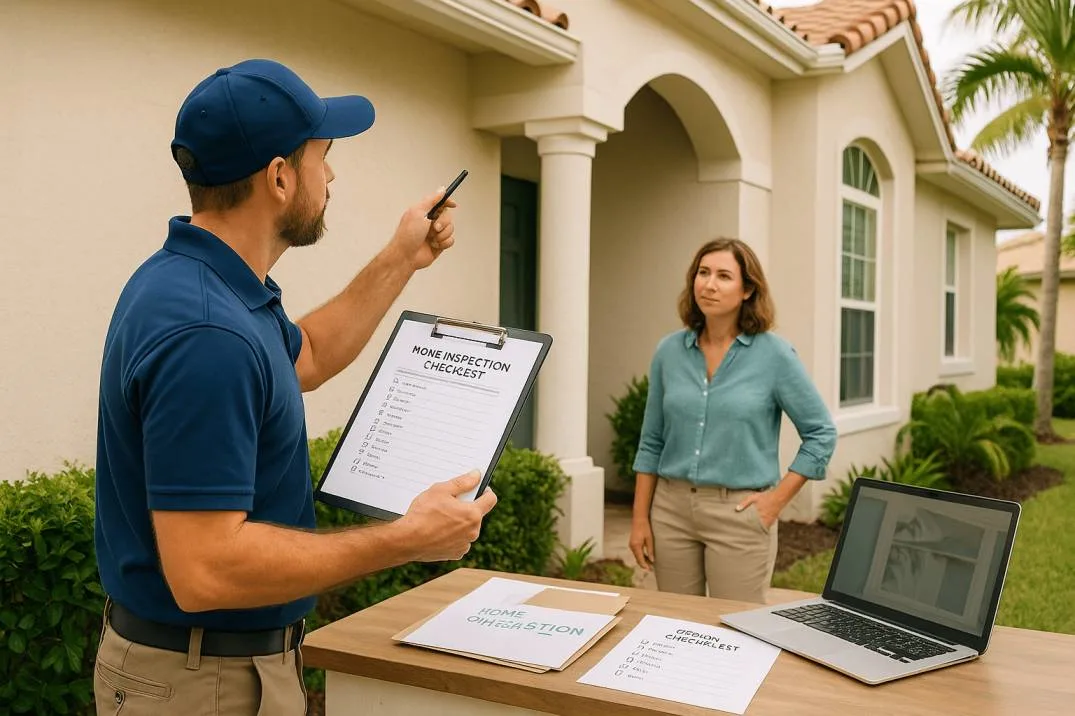
3 Things You Must Check Before You Buy the Real Estate in Florida This Year
I almost bought a condo in Naples last fall. The price looked right. The photos were stunning. Then I asked for the HOA meeting minutes. That is when the nightmare surfaced.
A $47,000 special assessment was coming. Every owner had to pay. No one mentioned it in the listing. The risks have multiplied. And if you skip the deep diligence, you will pay for years.
Here are the three non-negotiable checks you must run before signing anything. I learned these the hard way so you do not have to.
1: The Real Insurance Cost (Not What the Seller Pays)
Florida property insurance is a mess. But here is what most buyers get wrong. They ask the seller, "What do you pay for insurance?" Then they budget that amount. Big mistake.
Read Also: Enterprise Property Management Solutions for Modern Businesses
When a home changes hands, the policy resets. That seller might be on a grandfathered plan from 2019. You will not qualify for that rate. Not even close.
The Numbers No One Tells You
I ran quotes on three similar homes in different Florida markets last month. Here is what I found :
-
Orlando (inland): 2,800peryearfora2,800peryearfora400,000 home.
-
Tampa (coastal): $7,200 per year for the same value.
-
Miami-Dade (near water): $14,500 per year. Yes, fourteen thousand.
The homes looked similar online. The monthly costs were worlds apart.
Insurance premiums in Florida have started to stabilize after years of reckless increases. Legislative reforms passed in 2022 and 2023 are finally working.
Lawsuits have dropped. New insurers are entering the state. Citizens Property Insurance policies have fallen by 50% since 2024. But "stabilizing" does not mean "cheap."
How to Check Before You Offer?
Do not wait until underwriting to discover the truth. Here is your three-step checklist:
Step 1: Get the property address. Call an independent insurance broker. Ask for a premium estimate. Do this before you make an offer. Not after.
Step 2: Check the flood zone. FEMA's Flood Map Service Center is free. Use it. An AE zone means mandatory flood insurance. That adds 1,500to1,500to8,000 per year depending on location.
Step 3: Ask for the wind mitigation report. This is a separate inspection. It costs about $150. It can lower your premium by 20% to 50% if the home has hurricane features like impact windows or a four-sided hip roof.
One buyer I worked with skipped Step 3. He now pays 9,200peryearona9,200peryearona380,000 home. His neighbor down the street paid for the wind mitigation inspection before closing. She pays $5,100. Same street. Same storm risk. Different outcome.
Who should buy now: Buyers with cash reserves for high premiums. Inland properties near Orlando, Ocala, or Jacksonville. Homes built after 2010 with modern wind mitigation features.
Who should wait: Buyers on tight monthly budgets. Anyone looking at coastal Lee or Charlotte counties without extra insurance savings. First-time buyers who underestimate carrying costs.
2: The Condo's Physical Health (Before the Assessment Hits)
Florida condos are in trouble. Not all of them. But enough that you need to look twice. The Surfside collapse in 2021 changed everything. New state laws now require stricter building inspections and larger reserve funds.
That sounds responsible. It is. But those reserves get funded by you.
The Special Assessment Trap
Here is how it works.
You buy a condo for 350,000. The HOA fee looks reasonable:350,000.TheHOAfeelooksreasonable:550 per month. You close. Six months later, the building completes its milestone inspection. The engineers find structural issues. The roof needs replacement. The seawall is failing.

The HOA has 40,000inreserves.Therepairscost40,000inreserves.Therepairscost2.2 million.
Every owner gets a special assessment. Your share: $18,000 due in 90 days.
I have seen this happen four times in the last eighteen months. Each time, the buyers had no warning because they never asked for the right documents.
What to Request Before Signing?
You need three documents before you make an offer on any Florida condo in 2026:
The Insurance Policy for the Building. The building's master policy matters as much as your individual policy. If the HOA has low coverage or exclusions for water damage, you could face a building-wide assessment after a storm.
You Must Also Like: Learn What Affects Commercial Mortgage Rates and How Lenders Evaluate Deals
Condo prices across Florida have dropped nearly 10% in the past year because of these issues. That creates opportunity. But only for buyers who do the homework.
Who should buy condos now: Cash buyers who can handle special assessments. People planning to live there 5+ years. Buildings completed after 2010 with healthy reserves.
Who should avoid condos now: Retirees on fixed incomes. Investors looking for quick flips. Anyone uncomfortable with the risk of a $10,000+ surprise bill.
3: The Real Price Trend (Not the Listing Price)
The 2026 Florida housing market predictions point in one clear direction: prices are softening, but not everywhere equally.
Statewide, median home prices dropped about 1.9% entering 2026. That sounds small. The breakdown matters more.
The Two Florida Markets
Florida has split into two distinct markets. I see this in every deal I analyze:
Market One: The Scarcity Zones. Waterfront properties in Coral Gables, Coconut Grove, South of Fifth, and Bal Harbour. These still hold value. Global buyers pay cash. Inventory is tight. Prices are stable or rising slightly.
Market Two: The Cooling Zones. Everything else. Cape Coral prices are projected to drop 10.2% in 2026. North Port down 8.9%. Tampa down 3.6% . Condos in older buildings are getting hit hardest. Sellers are cutting prices. Homes sit on the market longer.
Here is the opportunity. In cooling zones, you have negotiation power. In scarcity zones, you do not.
How to Spot a Real Deal vs. a Trap?
Look at the days on market. In early 2025, Tampa homes sold in 28 days. Now they average 35 days. That 7-day difference means buyers have room to negotiate.
Look at price reductions. A home that dropped price twice in 60 days is a motivated seller. A home that just listed yesterday at a premium price is testing the market. Do not be the test subject.
Look at foreclosure data. Florida now ranks third in the nation for foreclosures . Insurance costs and rising debt are squeezing homeowners. Some are walking away. That increases inventory. That gives you options.
Who should buy now: Buyers targeting Cape Coral, Punta Gorda, or Tampa. These markets have real price drops and motivated sellers . Investors looking for long-term holds in inland job hubs like Jacksonville.
Who should wait: Buyers set on prime Miami waterfront. Those prices are not crashing. Waiting probably will not help.
The Hidden Fourth Check (Insurance Grants You Might Not Know About)
One more thing. The state of Florida wants to help you lower your insurance costs.
The My Safe Florida Home program offers grants up to $10,000 for home fortifications. This covers impact windows, reinforced roofs, and stronger garage doors. Low-income homeowners can get the work done for free.
The program relaunched in August 2025 with $280 million in funding. Applications are open now.
If you are buying Florida real estate in 2026, ask your inspector to note every hurricane mitigation feature already present. Also note every missing feature. That list becomes your grant application.
The Final Thoughts
Florida in 2026 is not a bad place to buy. It is a different place to buy.
Insurance costs can double your monthly payment if you skip the quote step. Condo assessments can erase your down payment savings if you skip the document review. Price drops can work for you or against you depending on which market you pick.
Do the insurance quote before the offer. Read the HOA meeting minutes like a detective. Know whether you are buying in a scarcity zone or a cooling zone. And never trust what the seller pays today. That number does not apply to you.
I walked away from that Naples condo. Six months later, the special assessment hit. The owners who bought after me are now paying $47,000 plus legal fees to fight it in court. I sleep fine.
Diligence is not fear. Diligence is freedom. Do the work before you sign.