

How to Get Into Flipping Houses: Beginner Guide 2026
I remember my first flip like it was yesterday. Bought a run-down three-bedroom thinking I would make $50,000 easy. Nine months later, I walked away with $8,000 and a ton of lessons learned the hard way.
The easy money in house flipping is gone. Data from ATTOM shows the typical investor's gross profit fell to $65,981 in 2025, down sharply from $77,000 the year before. That translates to a 25.5% return on investment, the lowest level since 2008.
But here is what the headlines do not tell you. Flipping Houses for Beginners Community groups are thriving. Experienced investors are still making solid profits. The game has just changed.
Is Flipping Houses Still a Good Idea In 2026?
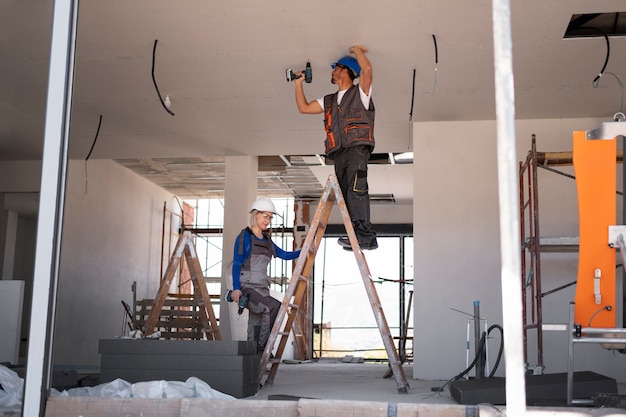
Let me answer the question why flipping houses is a good idea first, then give you the hard truth. Activity has leveled off at around 2019 levels. Not booming, but not crashing either.
Read Also: First-Time Home Buyer Tips and Advice for Smart Buying Guide
Here is the hard truth. You cannot flip houses casually anymore. The margins are too tight. A LendingOne survey found that 58% of investors expect market conditions to remain unchanged through 2026, while only 29% expect improvement.
Why flipping houses is a good idea for disciplined investors: slower competition. Many casual flippers have exited the space. Those who remain face less bidding wars on distressed properties.
Why it is a bad idea for the unprepared: one mistake can wipe out your entire profit margin. Overpay by $10,000 or underestimate rehab by $15,000 and you are in the red.
The First Question Nobody Asks: Cash or Financing?
Before you look at a single property, figure out your money.
If you do not have cash, hard money loans are your alternative. These are short-term, high-interest loans based on the property's value, not your credit score. Rates often exceed 12%.
One creative strategy I learned from the Flipping Houses for Beginners Community is seller financing. You pay the seller a down payment and monthly installments directly. This lets you fix the property without draining all your capital upfront.
Step 1: Find the Right Property (Without OverPaying)
The number one mistake I see new investors make is falling in love with a property before running the numbers. Here is the system experienced house flipping investors use.
Start by setting your maximum allowable offer using the 70% rule. Never pay more than 70% of the after-repair value minus estimated repair costs.
Example: ARV is $300,000. Repairs cost $50,000.
-
$300,000 x 0.70 = $210,000
-
$210,000 - $50,000 = $160,000 maximum purchase price
If the seller wants more than $160,000, walk away. No exceptions.
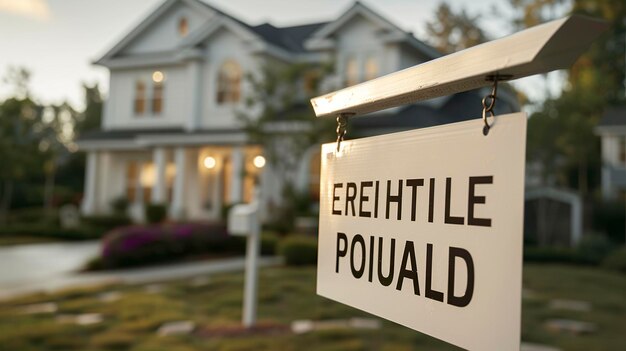
Where do you find real estate flipping properties that meet this math? Looking for off-market deals. Drive through neighborhoods looking for "For Sale" signs that are handwritten, faded, or taped to windows.
These are motivated sellers who do not know how to market. Foreclosures, short sales, and properties from probate or divorce situations are also good sources. Avoid the MLS if possible. Listed properties already have competition baked into the price.
Step 2: Know Your Market (Really Know It)
Brady Hammond, a Coldwell Banker realtor in Florida, warns that the biggest mistake he sees is investors overpaying for a property in a market they didn't fully understand.
You Must Also Like: Why Brand Strategy Consulting Firms Are Critical to Business Growth?
You need to research three things before buying in any area. Comparable sales. What do renovated homes actually sell for? Not list prices. Closed sales.
Days on market. How long do homes sit before selling? The longer the average, the more holding costs eat your profit. Buyer preferences. In Florida, buyers care about hurricane history, flood zones, and pool quality.
In the Midwest, basements and yards might matter more. Know what your local buyers actually want. Tyler Forte, CEO at Felix Homes in Nashville, says: Successful flippers aren't betting on appreciation, rate drops, or buyer psychology improving. Instead, they are hyper-focused on specific buy boxes.
Step 3: Build Your Team Before You Buy
Trying to flip a house alone is a guaranteed way to lose money. Flipping houses requires a team. You need:-
-
A licensed general contractor (or at least relationships with reliable tradespeople)
-
A real estate agent who understands investment properties
-
An accountant familiar with flipping taxes
-
A lawyer for contracts and closing
-
A lender (if you are using financing)
Do not wait until you have a property under contract to find these people. Build relationships first. Get quotes. Understand their timelines.
One tip from the Flipping Houses for Beginners Community: begin going to neighborhood genuine bequest financial specialist meetups. Locales like Meetup.com have dynamic bunches in most major cities.
These bunches share temporary worker referrals, caution almost terrible banks, and now and then indeed accomplice on bargains.
Step 4: Budget Realistically (Then Add 20%)
The national normal taken a toll to flip a house ranges from $19,481 to $88,356, with the normal around $52,219. But here is the run the show each prepared flipper knows: it continuously takes longer and costs more than you think.
Your budget must include:
-
Purchase price and closing costs
-
Renovation materials and labor
-
Permit fees
-
Holding costs (mortgage payments, property taxes, insurance, utilities for every month you own)
-
Real estate agent commissions (typically 5-6%)
-
Staging and professional photography
-
Unexpected repairs (budget 15-20% contingency)
Sebastian Frey, a beat specialist in Santa Cruz with 22 a long time of encounter, cautions: A parcel of flippers do not truly include up the holding costs of home insurance, intrigued rates on short-term cash, tall property charges, and exchange fees.
I learned this the difficult way. My to begin with flip took six months instep of three. Those additional three months of contract installments and utilities ate $9,000 of my benefit.
Step 5: Renovate for Resale, Not Your Taste
The most costly botch unused flippers make is over-improving properties based on individual inclinations instep of what buyers in that particular showcase really want.
If most homes in the range offer for $200,000, investing $50,000 on high-end wraps up planning for a $500,000 domestic will not abdicate a return. Center on what really includes esteem in 2026.
What works:
-
Open floor plans (narrow kitchens and choppy living spaces kill a flip)
-
Neutral paint (bright white opens up small spaces)
-
Vinyl plank flooring (durable, waterproof, and cost-effective)
-
Updated kitchens with engineered quartz countertops
-
Curb appeal (pressure washing, fresh paint, landscaping)
What does NOT work:
-
Moving walls or changing layouts (too expensive and time-consuming)
-
High-end finishes in a mid-range neighborhood
-
Custom or trendy designs that appeal to only one buyer
Keep it clean. Keep it neutral. Keep it sellable.
Step 6: Price It Right from Day One
This is where many flippers kill their own profit.
Tyler Forte warns: Many flippers are still wanting to price homes like it's 2021, even though the market has slowed down. This leads to higher carrying costs than if they just priced the home realistically from the start.
Overpricing leads to weeks or months on the market. Each extra month adds holding costs. Eventually you drop the price anyway. The net result is less profit than if you had priced correctly at listing.
Price at or slightly below market value to attract multiple offers and sell quickly. Speed is your friend. Every day you hold the property costs you money.
The BRRRR Strategy: A Smarter Alternative to Traditional Flipping
Given the margin compression in traditional flipping, many experienced investors are shifting to the BRRRR strategy: Buy, Rehab, Rent, Refinance, Repeat. Here is how it works:
Buy an undervalued property using the 70% rule.
Rehab it to increase value.
Rent it to a tenant who generates monthly cash flow.
Refinance with a conventional lender to pull your initial capital back out (typically requires owning the property for at least six months and having 25% equity).
Repeat with the same capital on another property.
The BRRRR strategy offers a more predictable exit than traditional flipping. Louisville investor Kevin Hart explains: You're taking out the risk of the market.
Instead of worrying about a flip sitting for months while you're paying interest, you know that at the end of the rehab you can get a tenant in there and you can immediately refinance with the bank.
The trade-off is that BRRRR requires more capital upfront and takes longer to see your money returned. But the reduced market risk makes it attractive for conservative beginners.
Finding Your Community: Where Other Beginners Learn
The single best resource for new investors is other investors. Here is where to find the Flipping Houses for Beginners Community in 2026.
Local Meetup groups. Search "real estate investing" or "house flipping" on Meetup.com. Most major cities have active groups.
BiggerPockets forums. This is the largest online real estate investing community. The forums have thousands of discussions about first flips, contractor recommendations, and market-specific advice.
Local real estate investment associations (REIAs). Many cities have REIAs that meet monthly. These often cost a small membership fee but provide excellent networking.
Facebook groups. Search "house flipping [Florida]" or "real estate investors [Texas]."
The key is finding people who are doing deals in your actual market. National advice is helpful but local knowledge wins.
The Final Thoughts
The era of easy money in house flipping is over. That does not mean flipping is dead. It means flipping has become a real business that requires real skills. Here is my advice after learning the hard way.
Start small. One property. Conservative numbers. Build your team before you buy. Budget for the unexpected. Price to sell quickly.
Join a Flipping Houses for Beginners Community in your area. Learn from people who are actually doing deals, not just talking about them. Their mistakes are cheaper than yours.
And remember the most important rule of all. You make your profit when you buy, not when you sell. Buy right, and everything else is just execution.