


What Does Contingent Mean in Real Estate? Explained
You find a house online. Perfect photos. Good price. Your heart jumps. Then you see it. A small word in the listing. Contingent.
Your stomach drops. You start searching. What does contingent mean in real estate? Is the house gone? Can you still make an offer? Should you walk away?
I have been a real estate agent for over a decade. I have listed hundreds of homes. I have represented buyers on both sides of contingent offers. Some closed. Some blew up. Some caused so much stress I thought the deals would never end.
Let me tell you exactly what contingent means. Not the dictionary version. The real version. The one you need to know before you fall in love with a house that might never be yours.
The Simple Definition of Contingent
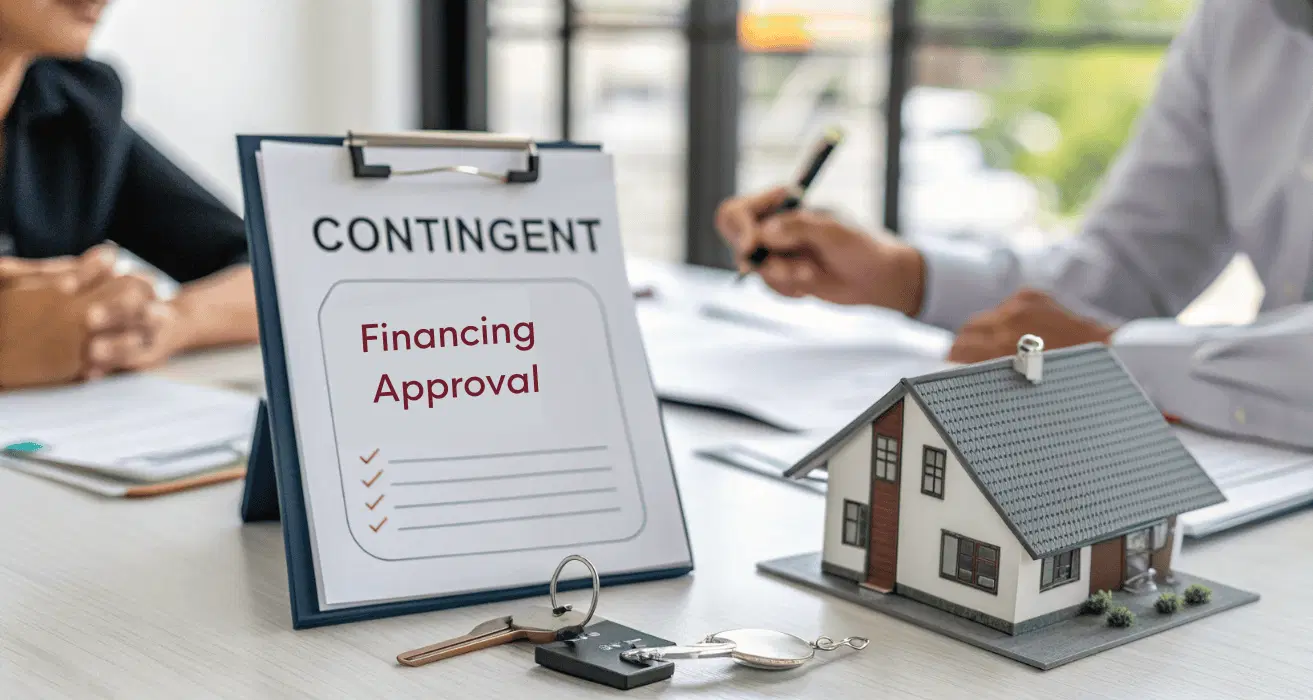
A contingent status means a seller has accepted an offer. But the deal is not final. There are conditions that must be met before the sale can close.
Read Also: Lessinvest.com Real Estate: A Path to Financial Freedom
Think of it like this. You agree to buy a car. But you tell the seller you need to have your mechanic inspect it first. If the mechanic finds major problems, you can walk away. That is a contingency.
In real estate, contingencies protect the buyer. They give you a way out if something goes wrong. They also give the seller uncertainty.
I had a listing last year. A beautiful three-bedroom in a good school district. We got an offer in three days. The buyer had contingencies. Inspection. Financing. Appraisal. Standard stuff. The seller was happy. We marked the listing contingent.
Three weeks later, the buyer backed out. The inspection showed foundation issues. The buyer walked. The house went back on the market. The sellers lost three weeks of prime selling time.
That is what contingent means in real estate. It means a deal exists. But it is not done.
Why Contingencies Exist?
Contingencies are not there to annoy sellers. They exist because buying a house is the biggest purchase most people ever make. You cannot see inside walls. You cannot predict the future. You need protections.
Here are the most common contingencies I see in my market.
Inspection contingency. This is the big one. The buyer hires a professional inspector to look at the house. Roof. Foundation. Electrical. Plumbing. HVAC. If the inspector finds problems, the buyer can ask for repairs, ask for money off the price, or cancel entirely.
I have seen inspection contingencies save buyers from disaster. One client of mine almost bought a house with a hidden mold problem. The inspection caught it. The seller refused to fix it. My client walked. Six months later, the house sold to someone else. That new owner spent forty thousand dollars on remediation.
Financing contingency. This protects buyers who need a mortgage. You get pre-approved before you make an offer. But pre-approval is not a guarantee. The bank still needs to verify your income, your assets, and the property value.
If something changes or the bank denies the loan, the financing contingency lets you walk away with your earnest money.
Appraisal contingency. The bank orders an appraisal to make sure the house is worth what you offered. If the appraisal comes in low, the bank will not lend you the full amount. You can negotiate with the seller to lower the price, bring extra cash to closing, or cancel the deal.
Sale contingency. This one is messy. The buyer needs to sell their current home before they can buy the new one. Sellers hate this contingency. It introduces too much uncertainty. In a hot market, most sellers reject offers with sale contingencies outright.
Contingent vs Pending: The Difference Matters
This confuses almost everyone. I explain it to clients constantly.
A contingent listing means the offer is accepted but conditions remain. The deal is still fragile. The seller can sometimes accept backup offers. The buyer can still walk away.
You Must Also Like: Buying Property in Europe 2026: Guide for Smart Investors
A pending listing means all contingencies have been removed. The deal is moving toward closing. Unless something catastrophic happens, the house is effectively sold.
I had a buyer who fell in love with a contingent listing. She kept checking it online. She saw it was still contingent after two weeks. She thought she still had a chance. I told her to move on. That house was contingent pending. It was going to close. She did not listen. She waited. The house closed. She missed three other good homes while waiting for a deal that was never going to fail.
Here is how you tell the difference. If the listing says contingent with no other modifiers, you can still submit a backup offer. If it says pending, the deal is firm. Move on.
The Different Types of Contingent Statuses
Different markets use different terms. I have worked in multiple states. The words change. The meaning stays similar.
Contingent – No Show. This means the seller accepted an offer but still wants to show the house. Usually because they are worried the buyer might not perform. This is rare in my market. Most sellers stop showing once they accept an offer.
Contingent – With Kick-Out. This is important to understand. A kick-out clause applies when the buyer has a sale contingency. They need to sell their home. But the seller keeps showing the house.
If another buyer comes along with a clean offer, the seller gives the first buyer a set amount of time to remove their contingency. Usually 24 to 72 hours. If they cannot, the seller accepts the new offer.
I have seen this happen twice. Both times, the first buyers could not get their homes sold in time. They lost the houses they wanted. It was painful to watch.
Contingent – Short Sale. This means the seller owes more than the house is worth. They need bank approval to sell. Bank approval can take months. I have seen short sales take six months to close. Some never close at all. Buyers who enter these deals need patience. Lots of it.
What Contingent Means for Buyers?
If you find a house you love and it is contingent, you have options. But you need to be realistic.
Option one: Submit a backup offer. Your offer goes in line behind the current buyer. If their deal falls through, you move into first position. This happens more often than you think. I have closed backup offers. One of my recent clients was the third backup offer. The first two buyers fell through. She got the house.
But do not wait around. Keep looking. Submit backup offers as a safety net. Do not pause your search for a contingent house.
Option two: Wait it out. This rarely works. Most contingent deals close. If you wait, you lose time. In a competitive market, houses move fast. Waiting for a contingent deal to fail usually means missing other opportunities.
Option three: Ask your agent to check the status. Sometimes listings are marked contingent but the contingencies are almost satisfied. Your agent can call the listing agent and ask. How far along is the inspection? Has the appraisal come in? Is the buyer solid?
I do this for my clients all the time. Sometimes we find out the inspection is already done and the buyers are moving forward. We move on. Sometimes we find out the buyers are struggling with financing. We submit a backup offer immediately.
What Contingent Means for Sellers?
If you are selling your home and you receive a contingent offer, you have tough decisions to make.
The risk. A contingent offer comes with uncertainty. The buyer could walk away. You lose time. In a slowing market, losing a month can mean selling for less money.
The reward. Sometimes a contingent offer is the best offer you have. Maybe the market is slow. Maybe the price is strong. Maybe the buyer has a good track record.
I had a seller who received a contingent offer with a sale contingency. The buyer was offering full price. My seller had no other offers. We accepted. The buyer sold their home in two weeks. We closed on time. It worked out perfectly.
But I also had a seller who accepted a contingent offer from a buyer with shaky financing. The buyer strung us along for three weeks before the bank denied the loan. We lost the prime selling window. The house sat for two more months before we found another buyer at a lower price.
The lesson? Vet the buyer. Ask for proof of funds. Check their pre-approval. Talk to their lender. The more you know, the less risk you take.
Common Contingency Mistakes I See
I have watched buyers and sellers make the same mistakes over and over. Learn from them.
Mistake one: Waiving contingencies without understanding the risk. In a hot market, buyers waive inspection contingencies to win bidding wars. Sometimes that works. Sometimes it ends in disaster.
I had a client waive inspection on a house that looked perfect. After closing, they discovered the foundation was cracked. The repair cost thirty thousand dollars.
If you waive contingencies, know what you are giving up. Have an inspector walk through with you before you make the offer. Get a contractor to look at major systems. Do your homework before you remove your protections.
Mistake two: Not asking for proof when selling. I see sellers accept contingent offers without verifying the buyer's financial strength. They trust the pre-approval letter. That is not enough. Call the lender. Make sure the buyer is truly qualified. Ask about their debt-to-income ratio. Ask if there are any red flags.
Mistake three: Falling in love with a contingent house. This happens to buyers all the time. They see a contingent listing. They stop looking at other houses. They wait. They hope. Weeks pass. The contingent deal closes. Now they have lost time and missed other opportunities.
Keep looking. Always keep looking until you have keys in hand.
How to Strengthen Your Offer in a Contingent Situation?
If you are the buyer and you need to include contingencies, you can still make your offer attractive. Here is how.
Shorten your contingency periods. The standard inspection period is often 10 to 14 days. Offer 5 to 7 days instead. It shows the seller you are serious and ready to move fast.
Get fully underwritten. Most buyers get pre-approved. That is basic. Get fully underwritten instead. That means the bank has already reviewed your income, assets, and credit. They have given a conditional approval. You remove most of the financing risk.
Put down a larger earnest money deposit. More money at stake shows you are serious. Sellers notice this. It makes your contingent offer feel more solid.
Write a personal letter. I know this sounds old-fashioned. But it works. Tell the seller why you love their home. Help them see you as a person, not just an offer. In multiple-offer situations, I have seen sellers choose a slightly lower offer because they connected with the buyer.
When Contingent Deals Fall Apart
I have been through this more times than I want to count. The deal looks solid. Then something breaks.
Financing falls through. The buyer loses their job. Their credit score drops. The bank changes lending guidelines. It happens. When it does, everyone loses time and energy.
You Must Read: Best European Cities for Property ROI: Top Investment Locations for High Returns
Bad inspection results. The roof needs replacement. The sewer line is collapsed. The foundation has shifted. Sometimes the seller refuses to negotiate. The buyer walks.
Appraisal comes in low. The house appraises for ten thousand dollars less than the offer price. The buyer cannot cover the gap. The seller refuses to lower the price. The deal dies.
The buyer gets cold feet. This happens more than agents like to admit. The excitement wears off. The reality of a thirty-year mortgage sets in. The buyer finds a reason to walk away.
I had a deal fall apart three days before closing. The buyer got nervous. They backed out. The seller was devastated. They had already packed. They had already told their kids they were moving. The house went back on the market. It sold two months later for less money.
Contingencies protected the buyer. They did nothing for the seller.
Practical Advice for Moving Forward
You came here asking what contingent means in real estate. Now you know. It means a deal exists but it is not final. It means there is uncertainty. It means you need to be smart about how you proceed.
If you are a buyer, do not wait for contingent houses. Submit backup offers if you want. But keep looking. Keep touring. Keep making offers on active listings. The house that is meant for you will not require you to pause your life.
If you are a seller, be cautious with contingent offers. Vet the buyer. Shorten contingency periods if you can. Keep showing the house until contingencies are removed. Protect your time. Protect your position.
Contingencies are not good or bad. They are tools. They protect buyers from buying houses with hidden problems. They give sellers confidence that deals are solid. Used correctly, they help transactions close smoothly. Used carelessly, they cause deals to fall apart.
I have seen both sides. I have closed contingent deals that felt impossible. I have watched simple deals explode because someone ignored a red flag. The difference was always the same. The people who understood contingencies made better decisions. The people who did not understand them paid for it.
Now you understand. Use that knowledge. Make better decisions. Find your house. Close your deal. Move on with your life.
That is what contingent means in real estate. And now you know exactly what to do with it.